
Many football fans think that the owner of Real Madrid is the Spanish business tycoon Florentino Pérez. But a powerhouse hasn’t had an owner for almost a century. Instead, it is managed by 90,000 registered members, making it one of the largest fan ownership models in professional sports. The situation may soon change.
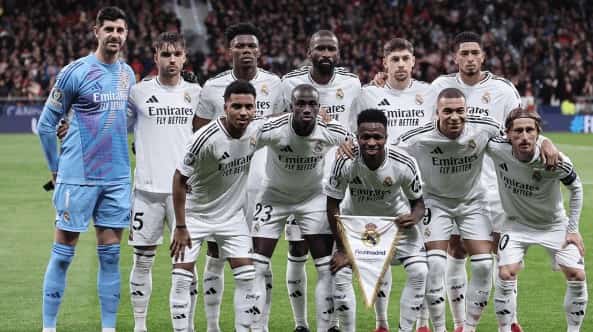
The club president has announced a proposal that could introduce external investment for the first time in its history. The announcement has sparked intense debate among fans, bookmakers like unibet dk, and legal experts. Will the club remain owned by members? Let’s figure it out together!
Current Governance Model
Unlike most elite football clubs, Real Madrid is not a private company and has no shareholders. It belongs to over 90,000 members, who vote in presidential elections, approve annual accounts, and authorize any changes to club policies. In the early 1990s, Spanish law forced most professional clubs to convert into Sociedades Anónimas Deportivas (SADs), or sports limited companies. The exception was made for four clubs due to their strong financial positions. Real Madrid became one of them, staying under fan control, which is a rare thing in modern football.
Why Not Convert into a Traditional Company?
Some fans are wondering whether it would be easier for the club to convert into a traditional company. The answer lies in history. When LaLiga made that transition in the 1990s, members did not automatically receive shares. Many clubs eventually fell into the hands of controversial owners, leading to financial instability. Pérez has been clear that this scenario is unacceptable for Real Madrid. But some changes are still possible. The new model will avoid full privatization while allowing limited access to external capital.
Pérez has claimed that the traditional structure limits the club’s independence and flexibility. After all, professional football is heavily dominated by billionaire owners, private equity firms, and state-backed clubs. He has also framed the proposal as a defensive move to protect Real Madrid from external threats, such as regulatory pressure from La Liga and ongoing legal battles with UEFA.
Recent Announcement: What Florentino Pérez Is Proposing?
Pérez’s plan does not involve selling Real Madrid outright or listing it on the stock exchange. Instead, he suggests creating a subsidiary company that would hold the club’s assets. Each existing socio would receive one share in this new entity. A minority external investor would be allowed to purchase up to 5% of the company. The investor would have no voting rights. Control over presidential elections, statutes, and governance would remain in the hands of the official members. The club would also retain the right to buy back the shares in the future. The whole initiative aims to protect it from political, legal, and commercial pressures.
Real Madrid has recently become the first football club to generate over €1 billion in annual revenue. The financial success was caused by extensive commercial operations and the redevelopment of the Santiago Bernabéu. So why consider change at all?
What Are the Benefits for Socios?
Under the recent proposal, each socio would hold exactly one share in the new subsidiary. These shares would carry a monetary value and could be passed down to children or grandchildren, though they could not be freely sold on the open market. The total number of socios would remain strictly fixed. This is a notable shift. For the first time, being a club member would carry emotional, symbolic, and economic value. However, socios would not receive dividends. Any financial returns would go exclusively to the minority investor.
A Defining Moment for Modern Football
Any change to Real Madrid’s ownership structure requires member approval. Pérez plans to call an extraordinary general assembly, where representative socios will vote on whether to hold a full referendum. If approved, all socios over 18 would be eligible to vote. Legal experts suggest a referendum may not be strictly required. But a successful vote would provide legitimacy for the decision. Whether socios approve or reject the plan, the debate itself reflects a big shift in football governance. Even the most powerful and historically independent clubs are forced to adapt. Let’s hope the change doesn’t come at the cost of the club’s identity.