It’s hard to find a country where football runs as deep as it does in Nigeria. From packed viewing centers in Lagos to muddy pitches in Kaduna, football isn’t just a pastime — it’s a way out. For many kids kicking stones barefoot, the dream is the same: to wear the Super Eagles shirt one day and play on the big European stage.
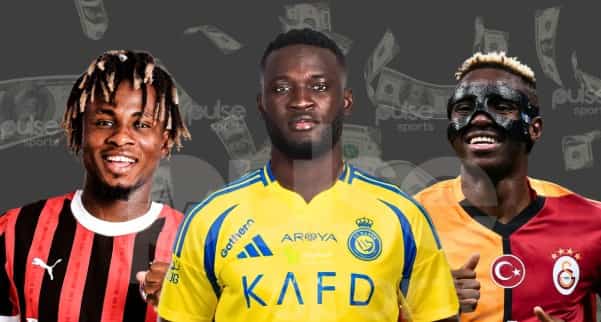
That dream now pays better than ever. The new generation of Nigerian players isn’t just chasing trophies — they’re signing contracts that change lives. Conversations about the highest paid Nigerian footballer now sound like talks from Wall Street.
Names like Victor Osimhen, Alex Iwobi, and Wilfred Ndidi represent more than athletic skill. They symbolize ambition, persistence, and the global reach of Nigerian football. And in a world where passion meets business, even fans track player earnings as closely as match results. The rise of platforms like betfm login only fuels that mix — a reminder that modern football is both emotion and economy.
What “Highest Paid” Really Means — Beyond the Numbers
The phrase highest paid footballer in Nigeria may seem simple, but behind it lies a web of figures that go far beyond a paycheck. Football money isn’t just about what a club pays; it’s about what a player earns off the pitch too.

A footballer’s total income often combines:
- Club salary — paid weekly or monthly depending on contract terms.
- Performance bonuses — extra cash for goals, assists, or team wins.
- Endorsement deals — from global brands to Nigerian companies.
- National team earnings — match bonuses for Super Eagles duty.
So, when fans ask how much is Super Eagles players salary, the honest answer is “it depends.” A local NPFL player might take home less than ₦1 million a month, while Europe-based stars easily cross ₦30–250 million weekly. The gap is staggering — and it shows where the real money flows in football today.
Here’s a snapshot of what some Nigerian stars reportedly earn every week:
Player | Club (Nov 2025) | Approx. Weekly Salary | Notes |
Victor Osimhen | Galatasaray S.K. (Turkey) | ~ €360 000 / ₦92 million | Highest-paid Nigerian footballer; record deal signed 2025 after leaving Napoli. |
Alex Iwobi | Fulham F.C. (England) | ~ £80 000 / ₦60 million | Reliable Premier League midfielder, consistent form. |
Wilfred Ndidi | Leicester City (England) | ~ £75 000 / ₦45 million | Remains with Leicester despite playing in the Championship. |
Samuel Chukwueze | AC Milan (Italy) | ~ £83 000 / ₦35 million | Key winger with growing marketing profile. |
Kelechi Iheanacho | Sevilla FC (Spain) | ~ £52 000 / ₦30 million | Joined Sevilla in 2025 after leaving Leicester. |
Those figures can make anyone’s head spin. But they also highlight the value Nigerian players bring to global football — athleticism, hunger, and flair that clubs are willing to pay for.
The Golden Circle — Nigeria’s Top Earners
If you’ve followed Nigerian football even casually, you’ve seen this transformation unfold. A decade ago, few Nigerian players were earning seven-figure weekly wages. Now, multiple names do — and not by luck.
At the top is Victor Osimhen, the man who turned a childhood struggle into football gold. After moving to Galatasaray, Osimhen’s new deal reportedly pays about ₦92 million (€360 000) per week — still the largest among all Nigerian players. For context, that’s more than most Serie A players earn in two months.
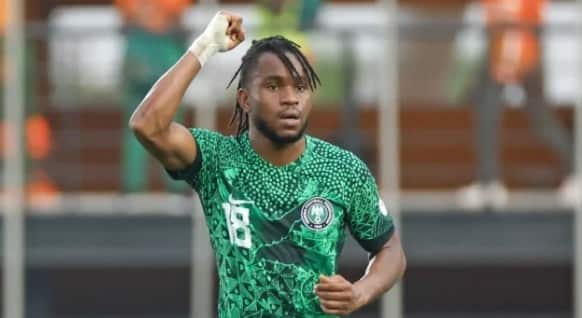
Then comes Alex Iwobi — steady, technical, always reliable. Since his early Arsenal days, he’s shown that consistency can be as valuable as showmanship. Fans often google Alex Iwobi salary per week or Iwobi salary per week in naira, curious about his Premier League income. The figure hovers around ₦60 million, and while that doesn’t make him the richest, it places him among the elite of African football.
Not far behind are Wilfred Ndidi and Samuel Chukwueze. Ndidi, Leicester’s midfield wall, has stayed loyal to his club even through their ups and downs, while Chukwueze’s move to AC Milan boosted both his exposure and his paycheck. Add Kelechi Iheanacho and Taiwo Awoniyi to the list, and you have a generation that’s financially rewriting what it means to be a Super Eagle.
These aren’t just footballers — they’re brands. Their names fill billboards from Lagos to Milan, their social media deals rival TV campaigns, and their performances bring in sponsors hungry for African audiences.
Victor Osimhen — The Standard-Bearer of Nigerian Football
Talk about money, and you can’t avoid Victor Osimhen. But his story is bigger than figures. It’s about persistence. Growing up in Olusosun, Lagos — near one of the city’s busiest dumpsites — Osimhen sold bottled water after school to help his family. The boy who once chased dreams barefoot now drives one of the biggest contracts in Serie A history.

At Napoli, Osimhen became the hero of a city that worships football. His goals ended a 33-year title drought and earned him the Serie A Golden Boot. Reports suggest he now earns over ₦250 million a week — making him the highest paid Nigerian footballer and one of the top earners in Italy.
But what makes him truly special isn’t just the salary — it’s his mentality. As Napoli coach Rudi Garcia told BBC Sport Africa: “Victor has the mentality of a champion. He’s hungry, fearless, and never satisfied. That’s why he makes the difference.”
Osimhen gives back too. He funds youth programs, donates to schools, and supports young players who remind him of himself. For him, success is a shared story — proof that Lagos dreams can echo all the way to Europe.
Beyond Paychecks — What These Stories Really Mean
Money changes everything, but in football, it also reveals a nation’s growth. The rise of Nigerian stars in European leagues has made the Super Eagles brand stronger, more respected, and globally marketable.
When fans ask how much is Super Eagles players salary, they’re really asking how far Nigerian football has come — and how far it can still go. Salaries are proof of value, but also of belief: belief that Nigerian players deserve the same respect and opportunities as any other.
Becoming the highest paid footballer in Nigeria isn’t about luck. It’s about surviving long odds, staying fit, staying relevant, and turning every chance into a legacy.
Spotlight on Alex Iwobi — The Premier League Mainstay
If Victor Osimhen’s story is about soaring to global fame, Alex Iwobi’s is about endurance. Year after year, he’s been one of the few Nigerians who have stayed consistently visible in England’s top flight. He came through Arsenal’s youth setup, learned under Arsène Wenger, carried that discipline to Everton, and now anchors Fulham’s midfield.
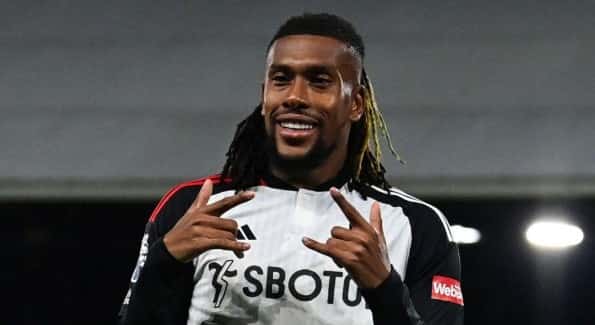
When fans type Alex Iwobi salary per week or Iwobi salary per week in naira, the curiosity is justified: his pay reflects the value of reliability. He earns roughly ₦60 million a week (about £60,000), a steady income that comes from being indispensable, not flashy. He rarely grabs headlines, yet every manager appreciates his work rate and calm intelligence. For Nigerian football, Iwobi represents something precious — consistency in the hardest league in the world.
What Drives the Pay Gap Among Super Eagles Players
Not every Super Eagle earns Premier League money. Several factors decide who ends up among the best-paid:
- League strength. Clubs in England, Italy, or Spain can offer wages impossible in Africa or Asia.
- Player position. Forwards and creative midfielders command more than defenders.
- Market appeal. A player’s popularity shapes endorsement value.
- Age and form. Younger stars on long contracts often earn more than veterans.
- Agents and negotiations. A sharp representative can double a player’s worth.
When fans ask how much is Super Eagles players salary, the answers vary wildly — from a few hundred thousand naira per local game to millions every week abroad. But the deeper story is about opportunity. Nigeria’s talent pool is rich; what separates the big earners is exposure. Those who cross to Europe early, adapt quickly, and stay injury-free usually secure the life-changing contracts.
The Hidden Risks Behind the Money
Behind every glamorous contract sits a fragile truth: football careers can vanish overnight. Injuries, form slumps, or a new coach’s tactics can cut wages in half. Some Super Eagles have learned this the hard way — transfers that didn’t work, promised bonuses that never arrived, or late payments from struggling clubs.

Money also changes expectations. Fans at home see headlines and assume limitless wealth, forgetting the taxes, agent fees, and constant pressure to help extended families. That’s why many Nigerian players now invest early: real estate in Lagos, schools in their hometowns, or academies that train the next generation. For them, football isn’t only a career; it’s a bridge out of uncertainty.
Conclusion — What These Salaries Say About Nigeria’s Football Future
The story of the highest paid footballer in Nigeria isn’t a celebration of wealth alone. It’s proof that Nigerian football has grown from dusty pitches to international respect. Osimhen’s millions, Iwobi’s stability, Ndidi’s loyalty — they all show that talent from Lagos, Enugu, or Kano can thrive on the world stage.
More importantly, they’re reshaping how young Nigerians think about football. It’s not just escape anymore; it’s a profession that rewards discipline as much as flair. The Super Eagles remain Africa’s proudest export, and as the global game keeps evolving, Nigeria’s stars are bound to climb even higher.
FAQ
- Who is the highest paid Nigerian footballer right now?
Victor Osimhen holds the top spot. After leaving Napoli for Galatasaray in 2025, he signed a record deal that pays about €360,000 per week, roughly ₦92 million. No other Nigerian player currently earns more, making him both the country’s and one of Africa’s highest-paid active footballers. - How much do Super Eagles players earn for national duty?
Bonuses remain modest. Players receive around ₦2 million per match, with additional payments for wins or tournament performance. Since 2023, there have been repeated disputes over delayed bonuses, but the rates themselves have changed little. - What is Alex Iwobi’s weekly salary in naira?
Iwobi earns approximately £80,000 a week, which converts to about ₦60 million. His income comes mainly from his Fulham contract, plus sponsorship deals with several sports brands. - Which other Super Eagles players rank among the best-paid?
Wilfred Ndidi, Samuel Chukwueze, Kelechi Iheanacho, and Taiwo Awoniyi each earn between ₦30 million and ₦50 million per week at their European clubs. Their salaries vary by league and contract length but remain among the highest for African players. - Why do local and overseas salaries differ so much?
European teams operate on far larger television revenues and sponsorship budgets. Nigerian clubs still face financial and structural limits, which explains why home-based players earn a fraction of what their European counterparts do. - Are Nigerian players paid promptly?
Those playing in Europe are usually paid on schedule. In Nigeria, payment delays are still common despite efforts by the Football Federation to enforce stricter oversight.